
Exercise for Addiction Recovery: How Training Helps Regulate Dopamine and Build Long-Term Sobriety
repeated substance causes dopamine dysregulation, hijacking the brain’s reward system, reducing natural dopamine sensitivity and driving compulsive drug‑seeking behavior.
Behavioral regulation is essential, it strengthens the brain’s capacity to manage impulses, tolerate discomfort, and choose actions that support long‑term healing rather than short‑term relief.
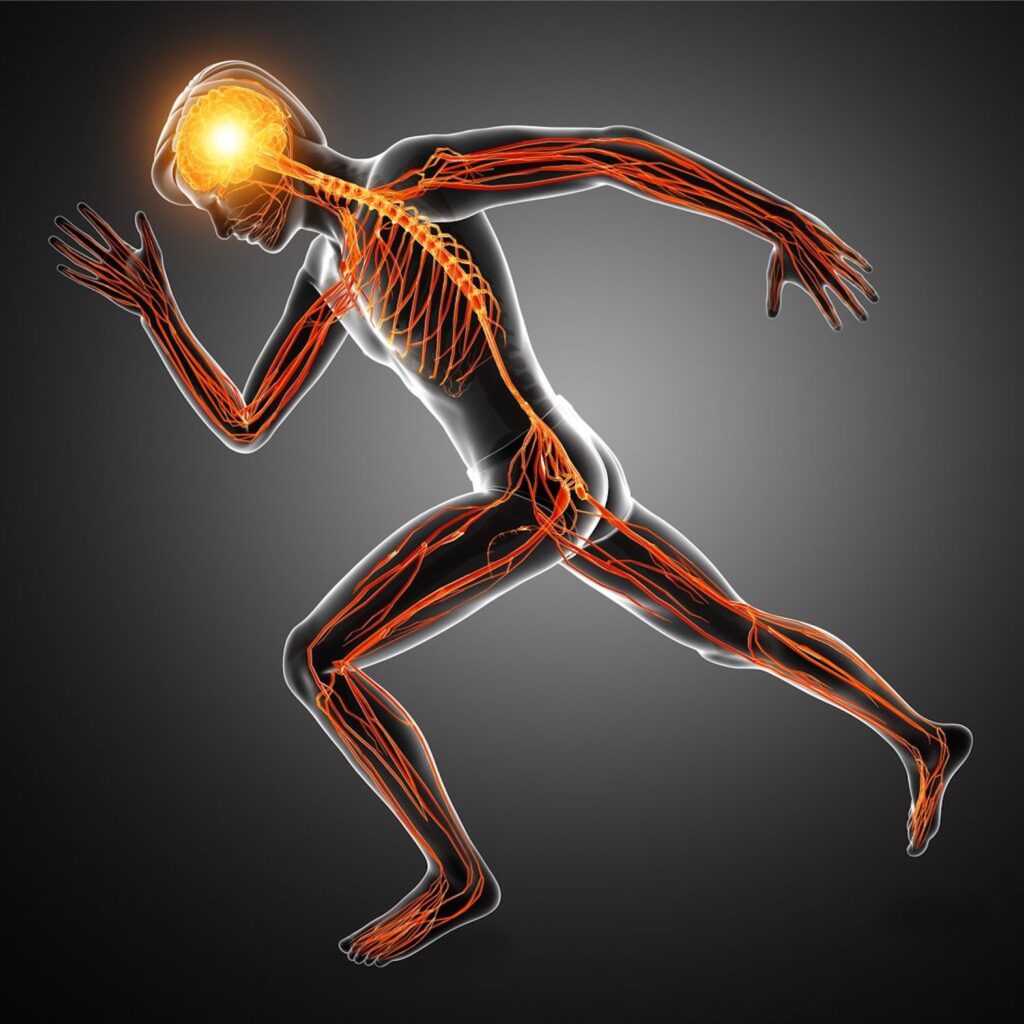
Why Addiction Disrupts Motivation and Behavior
dopamine dysregulation- Addiction overwhelms the brain’s dopamine system, making natural rewards feel muted and driving compulsive substance seeking.
loss of physiological structure- Substance use disrupts sleep, appetite, hormones, and energy rhythms, breaking the body’s natural regulatory patterns.
emotional instability- Addiction impairs brain regions responsible for mood regulation, leading to heightened reactivity and difficulty managing feelings.
compulsive loops- Repeated substance use wires the brain into automatic habit cycles that override conscious decision‑making.
dopamine disruption- Chronic drug exposure reduces dopamine sensitivity, creating a constant drive to chase artificial highs.
reward system imbalance- Addiction skews the brain toward short‑term reward seeking while weakening long‑term motivation and satisfaction.
loss of routine- Substance dependence replaces healthy daily structure with unpredictable, drug‑driven behaviors that erode stability.
How Exercise Supports Neurological and Physiological Recovery
Consistent training supports multiple aspects of recovery: These neurochemicals regulate mood, motivation, and cognitive function.
Provides behavioral regulation and structure
Restores baseline signaling
long-term neuroadaptation
Emotional stability
- brain-derived neurotrophic factor (BDNF)
Exercise intervention also creates a “competition effect,” where the brain begins to associate reward and stimulation with physical activity rather than substance use.
Studies show that even moderate activity can temporarily reduce cravings and improve mood regulation during early recovery.
Craving Reduction
Exercise reduces cravings through multiple mechanisms:
- Increases dopamine and serotonin production, the same neurotransmitters triggered by substance use
- Creates a “competition effect” where the brain prioritizes exercise rewards over substance memories
- Generates BDNF (Brain-Derived Neurotrophic Factor) that helps rewire neural pathways
- Provides a healthy displacement activity during times when cravings typically occur
Research shows just 30 minutes of moderate activity can reduce cravings for up to 4 hours in early recovery.
Mood Stabilization
Emotional regulation is often compromised during recovery. Exercise helps by:
- Releasing endorphins that create the “runner’s high” feeling
- Reducing cortisol levels after regular training
- Stabilizing blood sugar, which impacts mood swings
- Improving sleep quality, essential for emotional equilibrium
- Creating opportunities for mindfulness and present-moment awareness
Many clients report that consistent exercise provides emotional stability similar to meditation, but with additional physical benefits.
Confidence Building
Self-efficacy—the belief in your ability to accomplish goals—is crucial for sustained recovery. Exercise builds this by:
- Providing measurable improvements and visible progress
- Creating opportunities to overcome physical challenges
- Developing discipline through consistent practice
- Fostering a positive relationship with the body after potential neglect
- Establishing a new identity as someone who values health
Each workout completed reinforces the narrative that you are capable of difficult things—a powerful belief that transfers to other recovery challenges.
Natural Energy Boost
Energy levels often fluctuate dramatically during recovery. Exercise helps stabilize energy by:
- Improving mitochondrial function for cellular energy production
- Enhancing oxygen delivery throughout the body
- Regulating blood sugar to prevent energy crashes
- Strengthening the cardiovascular system for better stamina
- Reducing fatigue through improved sleep quality
Unlike caffeine or sugar, the energy boost from regular exercise is sustainable and doesn’t create dependency or crashes.
Restoring Neurological & Cognitive Function
- Physical activity stimulates neurogenesis (the growth of new brain cells), helping reverse damage caused by substance abuse.
- Increases dopamine and serotonin production, naturally improving mood and reducing cravings.
- Improves focus, memory, and cognitive processing over time.
Strengthening the Cardiovascular & Muscular System
- Many substances weaken the heart and muscles. Resistance training and cardiovascular exercise help restore strength, endurance, and circulatory health.
- Exercise enhances oxygen flow, reducing the long-term damage of smoking, alcohol, and stimulant abuse.
Regulating Hormonal Balance & Metabolism
- Substance use disrupts metabolism and energy levels. Regular physical activity restores metabolic balance and insulin sensitivity.
- Exercise supports hormonal recovery, particularly for those suffering from testosterone or estrogen imbalances due to substance abuse.
Stress & Anxiety Reduction
- Physical activity releases endorphins, which combat stress and anxiety without the need for external substances.
- Structured movement (yoga, strength training, running) serves as a natural coping mechanism, reducing relapse risk.
Reinforcing Self-Discipline & Routine
- Exercise helps rebuild a structured lifestyle, replacing the unpredictability of addiction with positive habits.
- Establishing a fitness routine creates a sense of purpose, promoting long-term recovery success.
Exercise and Behavioral Regulation
Substance use disrupts the brain’s reward systems, stress response, and daily behavioral rhythms. Even after substance use stops, many individuals struggle with motivation, structure, and consistency.
Exercise provides one of the most effective non-pharmaceutical interventions for restoring these systems.
When implemented with consistency and accountability, structured physical training helps rebuild neurological balance while reinforcing disciplined daily behavior.
At Forr-Health, exercise is used not only to rebuild physical health but to restore structure, stability, and long-term behavioral regulation.
Effective Forms of Exercise for Addiction Recovery
- Rebalances the brain’s reward system Strength training boosts dopamine and other neurochemicals that help normalize the reward pathways disrupted by substance use, reducing cravings.
- Improves mood and stress resilience Resistance exercise enhances self-esteem, reduces anxiety and depression, and improves sleep—key factors that lower relapse risk.
- Builds self-control and routine Strength training promotes neurogenesis in brain regions tied to self-regulation and provides structure, both of which support long‑term recovery habits.

Reduces cravings by activating natural reward pathways Aerobic exercise boosts dopamine, serotonin, and endorphins, helping normalize the reward circuits disrupted by substance use and lowering drug‑seeking behaviors.
Lowers stress and stabilizes mood Activities like running or cycling reduce cortisol and ease anxiety and depression—common relapse triggers—by rapidly elevating mood‑regulating neurochemicals.
Improves sleep and emotional regulation Regular aerobic movement helps realign circadian rhythms, improves sleep quality, and reduces insomnia symptoms, all of which strengthen resilience during recovery.

Mobility and Breath work
- Lowers physiological stress Gentle mobility work reduces muscle tension and activates the parasympathetic nervous system, helping counter the heightened stress response common in early recovery.
- Improves interoception and body awareness Mobility practices enhance the brain’s ability to sense internal states, which supports emotional regulation and reduces impulsive, craving‑driven behaviors.
- Supports pain reduction and physical function Many in recovery struggle with chronic pain; mobility training improves joint health and movement quality, reducing pain‑related relapse triggers.


Common Challenges in Early Recovery Training
- risk of compulsive exercise
- low motivation
- nervous system
- dysregulation
- fatigue
- injury risk
- structured programming
- accountability
- nervous system regulation
- long-term habit building
Physiological Effects of Substance Use
Substance use disorders affect multiple systems in the body:
Alcohol
Central nervous system depressant.
Slows brain function, impairs coordination and reaction time.
- Causes liver stress (fatty liver, hepatitis, cirrhosis with chronic use).
Can lead to gastrointestinal irritation and pancreatitis.
Cardiovascular effects: elevated blood pressure, arrhythmias with heavy use.
Disrupts sleep patterns and hormone balance.
Chronic use may cause malnutrition due to impaired nutrient absorption

Opioid
Bind to opioid receptors, reducing pain perception.
Slows respiratory rate; risk of fatal respiratory depression.
Causes constipation and digestive issues.
Can suppress immune function over time.
Pupillary constriction (pinpoint pupils) is common.
Chronic use may lead to hormonal imbalances (reduced testosterone, fertility issues).
Physical dependence and withdrawal symptoms affect multiple systems (sweating, nausea, muscle aches).

Stimulant
Increase heart rate, blood pressure, and body temperature.
Heighten alertness, energy, and sympathetic nervous system activity.
Can cause vasoconstriction, increasing risk of heart attack and stroke.
Reduce appetite, leading to potential weight loss and malnutrition.
Chronic use may damage cardiovascular system and neurons.
Sleep disruption and chronic fatigue after repeated use.

Benzodiazepine
Central nervous system depressants; enhance GABA activity.
Cause sedation, muscle relaxation, and slowed breathing.
Can impair memory, coordination, and reaction time.
Long-term use may lead to tolerance, dependence, and withdrawal symptoms (seizures in severe cases).
Potential liver enzyme strain with chronic use.
May worsen respiratory conditions if combined with other depressants.

Cannabis
Active ingredient THC affects cannabinoid receptors in the brain.
Mild increase in heart rate; blood pressure changes.
Can affect lung function if smoked (chronic bronchitis, coughing).
Impairs short-term memory, motor coordination, and reaction time.
Alters appetite and gastrointestinal function (“munchies” effect).
Chronic heavy use may affect hormone levels and reproductive health.

Nicotine
Stimulant that increases heart rate, blood pressure, and adrenaline.
Highly addictive due to dopaminergic system activation.
Damages lungs and cardiovascular system (especially with smoking).
Can impair wound healing and increase risk of cancers (lung, mouth, esophagus).
Chronic use leads to respiratory diseases and systemic inflammation.

Sugar
Causes spikes in blood glucose and insulin.
May contribute to insulin resistance, type 2 diabetes, and metabolic syndrome.
Alters lipid profile, increasing triglycerides and cardiovascular risk.
Can affect liver function when excessive (non-alcoholic fatty liver disease).
Contributes to dental decay and obesity.
Chronic overconsumption may dysregulate reward pathways in the brain, similar to addictive substances.

Hallucinogen
Primarily affect serotonin receptors.
Typically low toxicity for organs, but can raise heart rate and blood pressure.
May cause pupil dilation, nausea, and tremors.
Alter perception, coordination, and sensory processing.
MDMA specifically can cause dehydration, hyperthermia, and electrolyte imbalance.
Rarely, prolonged or excessive use may impact memory or cognitive function.

Four Ways Exercise Supports Recovery
Exercise offers multiple pathways to healing, supporting both physical and psychological recovery.
Restoring Brain Chemistry
Physical activity stimulates neurotransmitters that regulate mood, motivation, and reward processing.
Managing Stress & Anxiety
Exercise reduces cortisol levels and improves stress resilience, providing a healthy outlet for emotional regulation.
Reinforcing Daily Structure
Consistent training creates predictable routines that reinforce discipline and behavioral stability.
Rebuilding Physical Strength
Substance use can significantly impact cardiovascular health, muscle mass, and metabolic function. Structured training helps restore these systems.
Exercise in Early vs Long-Term Recovery
Training should focus on:
• low to moderate intensity movement
• mobility and foundational strength
• nervous system regulation
• consistent routine developmentThe goal is to rebuild structure safely while the body heals.
- Gradual increases in activity levels prevent overexertion while the body heals.
As stability improves, training can progress toward:
• strength development
• cardiovascular conditioning
• performance-based goals
• long-term lifestyle integrationAt this stage exercise becomes a permanent behavioral anchor.
3 Principles of Recovery Training
1. Frequency Over Intensity
Consistent, moderate exercise stabilizes dopamine and stress‑regulation systems far more effectively than occasional high‑intensity bursts, helping the brain rebuild healthy reward pathways without overwhelming the body.
2. Accountability Over Autonomy
Having external structure—whether a coach, group, or partner—reduces decision fatigue, increases follow‑through, and provides social reinforcement, all of which counter the isolation and impulsivity that can fuel relapse.
3. Measurable Progression
Tracking small, steady improvements gives the brain reliable hits of motivation and accomplishment, replacing the chaotic reward patterns of addiction with predictable, healthy reinforcement.
Exercise and Sobriety FAQ
Does exercise help addiction recovery?
Exercise can help regulate dopamine signaling, reduce stress, and improve emotional resilience during addiction recovery.
What type of exercise is best for addiction recovery?
A balanced program including strength training, aerobic conditioning, and mobility work can support both physical and neurological recovery.
Can exercise reduce cravings?
Regular exercise can improve mood regulation and reduce stress, which may help reduce relapse triggers.
Is there someone to contact to get more information
yes, Contact
Structured Engagement
Exercise-based recovery is most effective in when combined with consistent accountability and structured implementation.
Without structure, individuals often struggle to maintain consistency during difficult periods.
Forr-Health provides structured exercise-based engagement designed to help individuals rebuild discipline, install sustainable routines, and stabilize behavior through consistent training.