
Adaptive Physiology
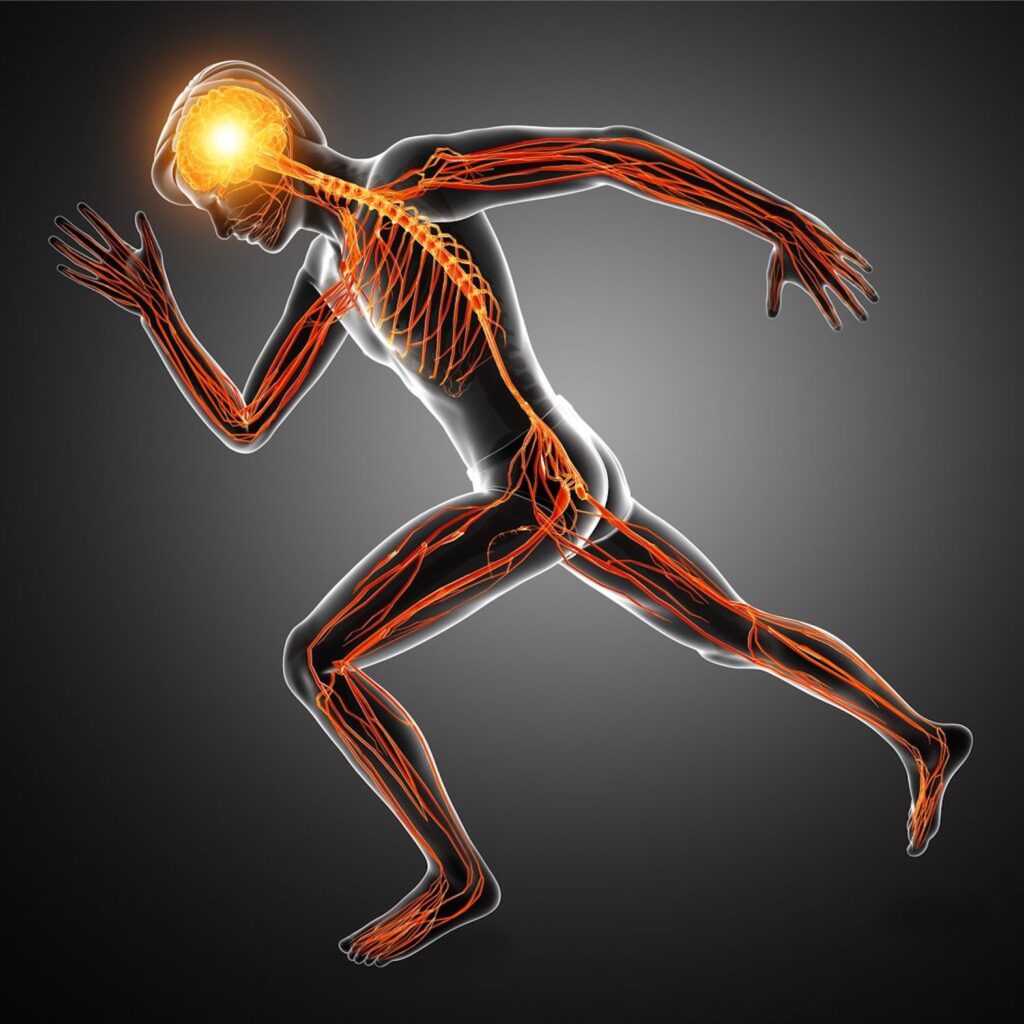
Your recovery literally depends on your nervous system and your nervous system depends on your physiology.
Repeated substance use doesn’t just affect behavior, it changes how your system responds. Your baseline drops. Stimulation increases.
And normal life starts to feel flat, inconsistent, or hard to sustain.
That’s why willpower alone doesn’t hold. When your nervous system is dysregulated, focus, sleep, emotional control, and decision-making all become unstable, adaptive physiology is what re-wires these pathways.
This is where most approaches fall short. They focus on behavior,
without stabilizing the system driving it.
Recovery becomes sustainable when your system can support it.
Why Addiction Disrupts Motivation and Behavior
dopamine dysregulation– Addiction overwhelms the brain’s dopamine system, making natural rewards feel muted and driving compulsive substance seeking.
loss of physiological structure- Substance use disrupts sleep, appetite, hormones, and energy rhythms, breaking the body’s natural regulatory patterns.
emotional instability- Addiction impairs brain regions responsible for mood regulation, leading to heightened reactivity and difficulty managing feelings.
compulsive loops- Repeated substance use wires the brain into automatic habit cycles that override conscious decision‑making.
dopamine disruption- Chronic drug exposure reduces dopamine sensitivity, creating a constant drive to chase artificial highs.
reward system imbalance- Addiction skews the brain toward short‑term reward seeking while weakening long‑term motivation and satisfaction.
loss of routine- Substance dependence replaces healthy daily structure with unpredictable, drug‑driven behaviors that erode stability.
How Exercise and Adaptive Physiology Supports Neurology and Psychology in Addiction Recovery
Consistent exercise using directly supports recovery by restoring how the brain and body regulate stress, motivation, and reward. Substance use disrupts key systems—particularly dopamine signaling, stress response, and energy regulation. Structured adaptive physiology training helps rebuild and re-wire these systems in a stable, predictable way.
Unlike short-term stimulation from substances, exercise produces gradual and sustainable neuroadaptation, allowing the brain to return to a more balanced baseline over time, Key difference here is it must be adaptive exercise.
Restoring Dopamine and Reward Function using Adaptive Physiology
One of the most significant disruptions in addiction is the brain’s reward system. Repeated substance use overstimulates dopamine pathways, making natural rewards feel less effective.
Exercise helps correct this by:
Increasing dopamine and serotonin production naturally
Re-sensitizing reward pathways over time
Creating a “competition effect,” where the brain begins to associate reward with physical activity instead of substance use
Even moderate exercise has been shown to reduce cravings and improve mood for several hours following activity, particularly in early recovery.
Reducing Cravings and Stabilizing Mood
Cravings and emotional instability are common in early recovery due to dysregulated brain chemistry and stress systems.
Exercise helps regulate this by:
Releasing endorphins that improve mood and reduce discomfort
Lowering baseline stress through repeated exposure to controlled physical strain
Supporting brain-derived neurotrophic factor (BDNF), which helps rewire neural pathways
Providing a structured outlet during high-risk times for cravings
Over time, this creates more stable emotional patterns without relying on external substances.
Rebuilding Cognitive and Neurological Function
Substance use can impair memory, focus, and decision-making. Exercise supports recovery of these functions through:
Increased blood flow and oxygen delivery to the brain
Stimulation of neurogenesis (growth of new brain cells)
Improved cognitive processing, attention, and mental clarity
These changes are gradual, but consistent training leads to measurable improvements in how individuals think, respond, and make decisions.
Restoring Physical Health and Energy Systems
Addiction, whether stimulant, depressant, medicinal, visual, sexual.. Weakens neurological regulation, cardiovascular function, and metabolic systems. Adaptive exercise reverses this by:
Improving cardiovascular efficiency and endurance
Rebuilding muscular strength and structural stability
Enhancing metabolic function and energy production
Regulating blood sugar and reducing energy crashes
Improving cognitive function, memory, immunity
Unlike artificial stimulants, the energy produced through exercise and adaptive physiology is stable and sustainable.
Reinforcing Structure and Behavioral Stability
Beyond physiology, exercise plays a critical role in rebuilding daily structure.
Consistent training:
Reduces decision fatigue by creating routine
Builds discipline through repeated action
Provides measurable progress and reinforcement
Replaces chaotic patterns with predictable behavior
This structured engagement is essential in shifting from reactive behavior patterns to controlled, intentional actions.

Common Challenges in Early Addiction Recovery Training
Many individuals experience fatigue, low motivation, and nervous system instability early in recovery. Learn more about these challenges here. challenges in early recovery
Effective Forms of Exercise for Addiction Recovery
- Rebalances the brain’s reward system Strength training boosts dopamine and other neurochemicals that help normalize the reward pathways disrupted by substance use, reducing cravings.
- Improves mood and stress resilience Resistance exercise enhances self-esteem, reduces anxiety and depression, and improves sleep—key factors that lower relapse risk.
- Builds self-control and routine Strength training promotes neurogenesis in brain regions tied to self-regulation and provides structure, both of which support long‑term recovery habits.
This is most effective when adaptive physiology is applied with measurable progression, allowing gradual increases in load and performance over time
Reduces cravings by activating natural reward pathways Aerobic exercise boosts dopamine, serotonin, and endorphins, helping normalize the reward circuits disrupted by substance use and lowering drug‑seeking behaviors.
Lowers stress and stabilizes mood Activities like running or cycling reduce cortisol and ease anxiety and depression—common relapse triggers—by rapidly elevating mood‑regulating neurochemicals.
Improves sleep and emotional regulation Regular aerobic movement helps realign circadian rhythms, improves sleep quality, and reduces insomnia symptoms, all of which strengthen resilience during recovery.
Consistent aerobic work reinforces frequency over intensity, helping regulate mood and energy without overstimulation.
Mobility and Breath work
- Lowers physiological stress Gentle mobility work reduces muscle tension and activates the parasympathetic nervous system, helping counter the heightened stress response common in early recovery.
- Improves interoception and body awareness Mobility practices enhance the brain’s ability to sense internal states, which supports emotional regulation and reduces impulsive, craving‑driven behaviors.
- Supports pain reduction and physical function Many in recovery struggle with chronic pain; mobility training improves joint health and movement quality, reducing pain‑related relapse triggers.
Building Structure Through Exercise
One of the most important roles adaptive physiology plays in recovery is not just physiological, it is structural.
Addiction is often associated with inconsistency, impulsivity, and a lack of stable routine. Exercise introduces a predictable framework that helps regulate behavior on a daily basis.
Rather than relying on motivation, structured training creates a consistent point of action. Sessions are planned, repeated, and progressed over time, with a focus on Physiology, which is critical for building sustainable habits in recovery, reducing the need for constant decision-making and helping individuals follow through even when motivation is low.
This consistency has several effects:
Reduces decision fatigue by removing uncertainty around what to do each day
Creates routine and predictability, which stabilizes behavior patterns
Builds discipline through repetition, not intensity
Establishes accountability, either through coaching, programming, or scheduled sessions,rather than relying on independence alone, structured systems emphasize accountability over autonomy.
Over time, this structure begins to replace reactive patterns with intentional ones.
Exercise provides measurable progress, through measurable progression, where small improvements reinforce consistency and motivation, which is critical in recovery. Small, consistent improvements—whether in strength, endurance, or consistency—give the brain reliable feedback and reinforce continued effort.
This is where exercise becomes more than physical activity. It becomes a system for rebuilding control, reinforcing stability, and creating forward momentum.
When adaptive physiology is applied correctly, exercise does not just support recovery—it helps organize and stabilize your entire nervous system.
Adaptive Physiology in Early vs Long-Term Recovery
Exercise plays a different role depending on the stage of recovery. The focus should shift from stabilization in early recovery to progression and performance over time.
In the early stages, the goal is to restore stability and reintroduce consistent behavior.
Training should focus on:
Low to moderate intensity to avoid overwhelming the system
Simple, repeatable routines that are easy to follow
Building consistency rather than pushing performance which aligns with a frequency over intensity approach during early stages
Regulating mood, stress, and energy levels
At this stage, the priority is not improvement—it is showing up consistently and establishing structure.
-
As stability improves, exercise can become more progressive and goal-oriented.
Training can shift toward:
-
Gradual increases in intensity and volume
-
Strength and performance development
-
More structured programming and progression, using measurable progression to guide long-term improvement
-
Long-term physical and mental resilience
At this stage, exercise becomes a tool for continued growth, reinforcing identity, discipline, and long-term stability.
-
Exercise alone is not enough — how it is applied determines whether it re-stabilizes the system controlling your addiction.
Three Principles of Exercise Based Recovery Training
1. Frequency Over Intensity (Habit Formation)
Consistent, moderate exercise is more effective than occasional high-intensity effort. Regular training helps stabilize dopamine and stress responses, allowing the brain to rebuild healthy reward patterns without creating additional strain.
Over time, this consistency forms the foundation for long-term behavioral change.
2. Accountability Over Autonomy (Containment)
External structure—such as coaching, scheduled sessions, or group support—reduces decision fatigue and increases follow-through. This added accountability helps counter impulsivity and isolation, which are common challenges during recovery.
Instead of relying on motivation alone, individuals operate within a system that supports consistent action.
3. Measurable Progression (Structure)
Tracking small, consistent improvements provides clear feedback and reinforces progress. These measurable gains create reliable motivation and replace the unpredictable reward patterns associated with addiction.
Structured progression helps individuals stay engaged while building confidence in their ability to improve.
Exercise, Adaptive Physiology, Sobriety
FAQ
Does exercise help addiction recovery?
Yes, Exercise based recovery will help regulate dopamine signaling, promote homeostasis in the nervous system, and improve emotional resilience during emotional impulsivity.
What type of exercise is best for addiction recovery?
A balanced program including strength training, aerobic conditioning, and mobility work will support both physical and neurological recovery.
Can exercise reduce cravings?
Regular exercise will improve mood regulation and reduce stress, which will help reduce relapse triggers.
Is there someone to contact to get more information?
yes, Contact
What is Adaptive Physiology at its core?
Adaptive physiology is the study of how organisms adjust their bodily functions to cope with environmental, physical, and emotional stressors, promoting survival, health, and resilience.
Structured Plans
Exercise-based recovery is most effective in when combined with consistent accountability and structured implementation.
Without structure, individuals often struggle to maintain consistency during difficult periods.
Forr-Health provides structured exercise based recovery engagement designed to help individuals rebuild their nervous sytem, install sustainable routines, and stabilize behavior.