
Understanding Mood Disorders
Mood Disorders Are More Than “Emotions”
Mood disorders are often misunderstood as simply being “too emotional,” “lazy,” “negative,” or unable to cope.
In reality, mood disorders involve complex interactions between your nervous system and brain chemistry.
For many people, these struggles are not a choice. They are deeply felt physiological and psychological experiences that affect daily functioning, energy, motivation, relationships, and overall quality of life.
The Nervous System Connection
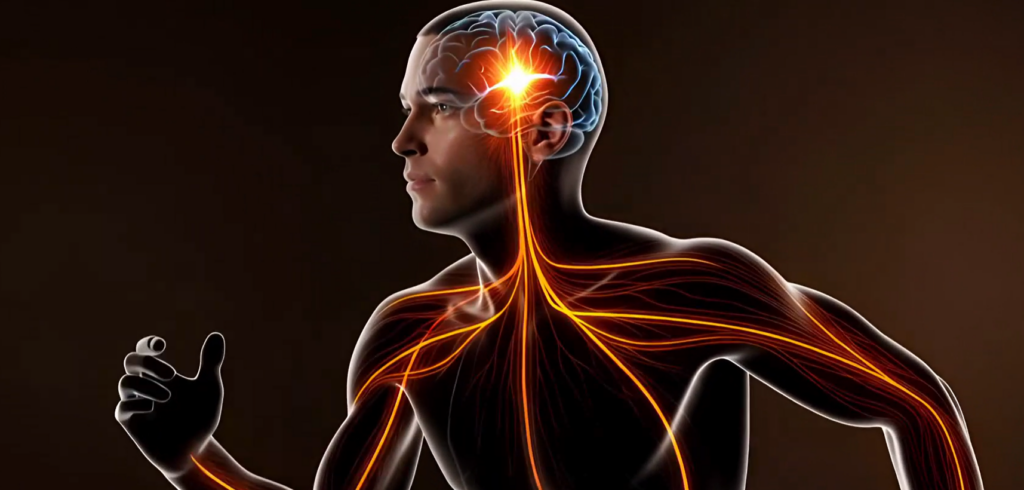
The nervous system plays a major role in emotional regulation.
When the body remains in prolonged states of stress, hypervigilance, burnout, emotional suppression, or survival mode, it can begin affecting how a person thinks, feels, reacts, and functions.
This may contribute to experiences such as:
- Anxiety
- Depression
- Emotional numbness
- Chronic overwhelm
- Irritability
- Panic
- Exhaustion
- Mood instability
- Difficulty concentrating
- Loss of motivation
The body and mind are not separate systems. They constantly influence one another.
Stress, Burnout, and Emotional Exhaustion
Many people live in a constant state of pressure without realizing how heavily it impacts mental and emotional health.
Over time, chronic stress can contribute to nervous system dysregulation, sleep disruption, hormonal imbalance, inflammation, and emotional fatigue.
When recovery never fully occurs, the body can begin operating from depletion rather than resilience.
This can make even simple daily tasks feel overwhelming.
Trauma and Learned Survival Patterns
Past experiences can shape how the nervous system responds to the world.
Emotional trauma, chronic stress, unstable environments, neglect, or prolonged adversity can create survival-based patterns that continue long after the original situation has passed.
Some people become hyper-alert and anxious.
Others emotionally shut down or disconnect.
These are not signs of weakness.
They are often protective adaptations the body learned over time.
When recovery never fully occurs, the body can begin operating from depletion rather than resilience.
This can make even simple daily tasks feel overwhelming.

Physical Health and Mental Health Are Connected
Mental health is not only psychological.
Factors such as:
- Sleep quality
- Nutrition
- Exercise
- Gut health
- Blood sugar regulation
- Hormonal balance
- Substance use
- Physical inactivity
- Chronic inflammation
can all influence mood, energy, focus, and emotional stability.
The body and brain work together as one system.
Healing Requires a Whole-System Approach
Many people try to “think” their way out of emotional struggles while ignoring the physical systems underneath them.
Real progress often involves supporting the entire person, including:
- Nervous system regulation
- Physical health
- Stress management
- Emotional processing
- Lifestyle structure
- Movement and exercise
- Sleep recovery
- Nutrition and gut health
- Identity and self-worth
- Healthy routines and purpose
Healing is rarely one-dimensional.
Change Is Possible
People struggling with mood disorders often feel trapped or hopeless.
But the brain and body are adaptable.
With proper support, people can improve emotional regulation, energy, resilience, confidence, and overall wellbeing simply by adapting your nervous system to your psychology.
Recovery does not always happen overnight, but meaningful change is possible.
The New Approach
Focus on addressing deeper root contributors that impact emotional and mental wellbeing through physiology and improve:
- Chronic stress
- Burnout
- Nervous system dysregulation
- Lifestyle imbalance
- Poor recovery habits
- Physical health decline
- Emotional overwhelm
- Lack of structure and direction
Using movement, coaching, nervous system support, lifestyle optimization, and health-focused strategies, the goal is to help rebuild both mind and body together by physiological adaptation.
Mental health challenges are real.
But struggling does not mean you are broken.
With the right support, the body and mind can begin moving toward stability, resilience, and recovery.
Book a consultation to begin rebuilding from the root.